"If I have seen further, it is by standing on the
shoulders of giants." Every program on this site — every BASIC
statement, every compiler pass, every pixel — exists because people
before us figured out how to make machines do what had never been done.
This page is where we keep their names, their stories, and what they
taught us. Some entries are tributes to the living; some are memorials.
All of them are history worth knowing.
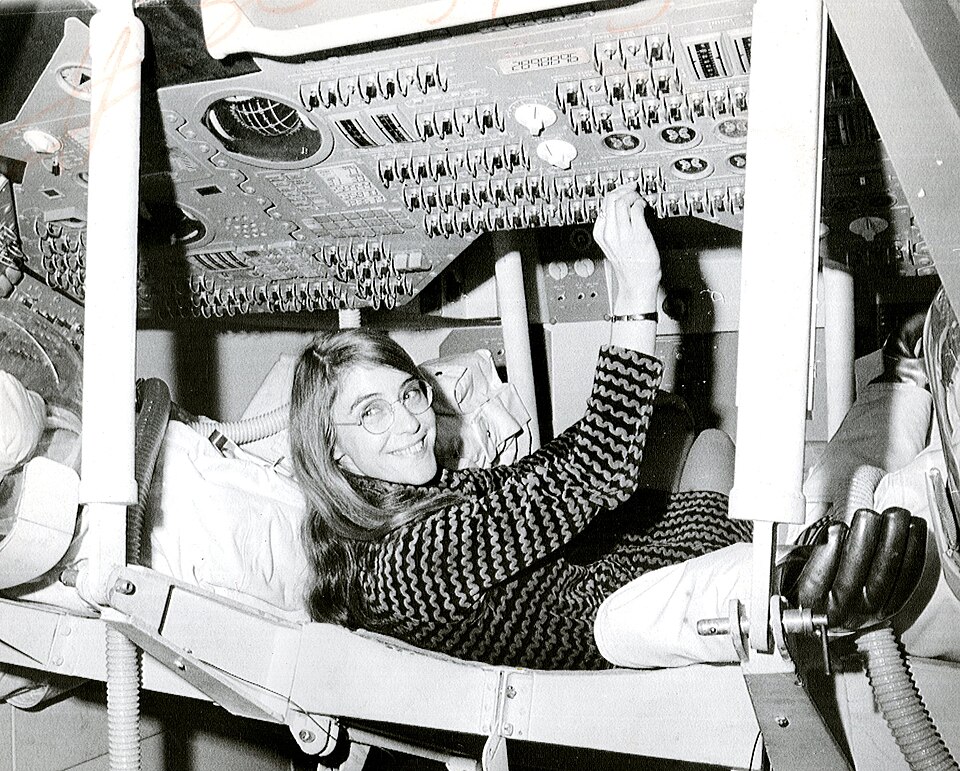
Hamilton inside an Apollo command module mockup, 1969. Photo: NASA (public domain).
In Memoriam
Margaret Hamilton
August 17, 1936 – September 30, 2026 · Computer scientist · Apollo flight software lead · Mother of "software engineering"
Margaret Hamilton led the MIT team that wrote the onboard flight
software for the Apollo program — the code that guided nine crews to
the Moon and back on a computer with less memory than a digital
watch. She did it while inventing the discipline as she went: she is
the person who coined the term software engineering, at a
time when the phrase was treated as a joke.
In the descent to the Sea of Tranquility, when Apollo 11's computer
began blaring 1201/1202 alarms, the software she designed shed
low-priority work and kept flying the landing — the design choice she
had fought for proving itself in public. She coined
software engineering when people laughed at the phrase; the
discipline took the name because her work made it true. She later
founded Higher Order Software and Hamilton Technologies, and received
the Presidential Medal of Freedom in 2016.
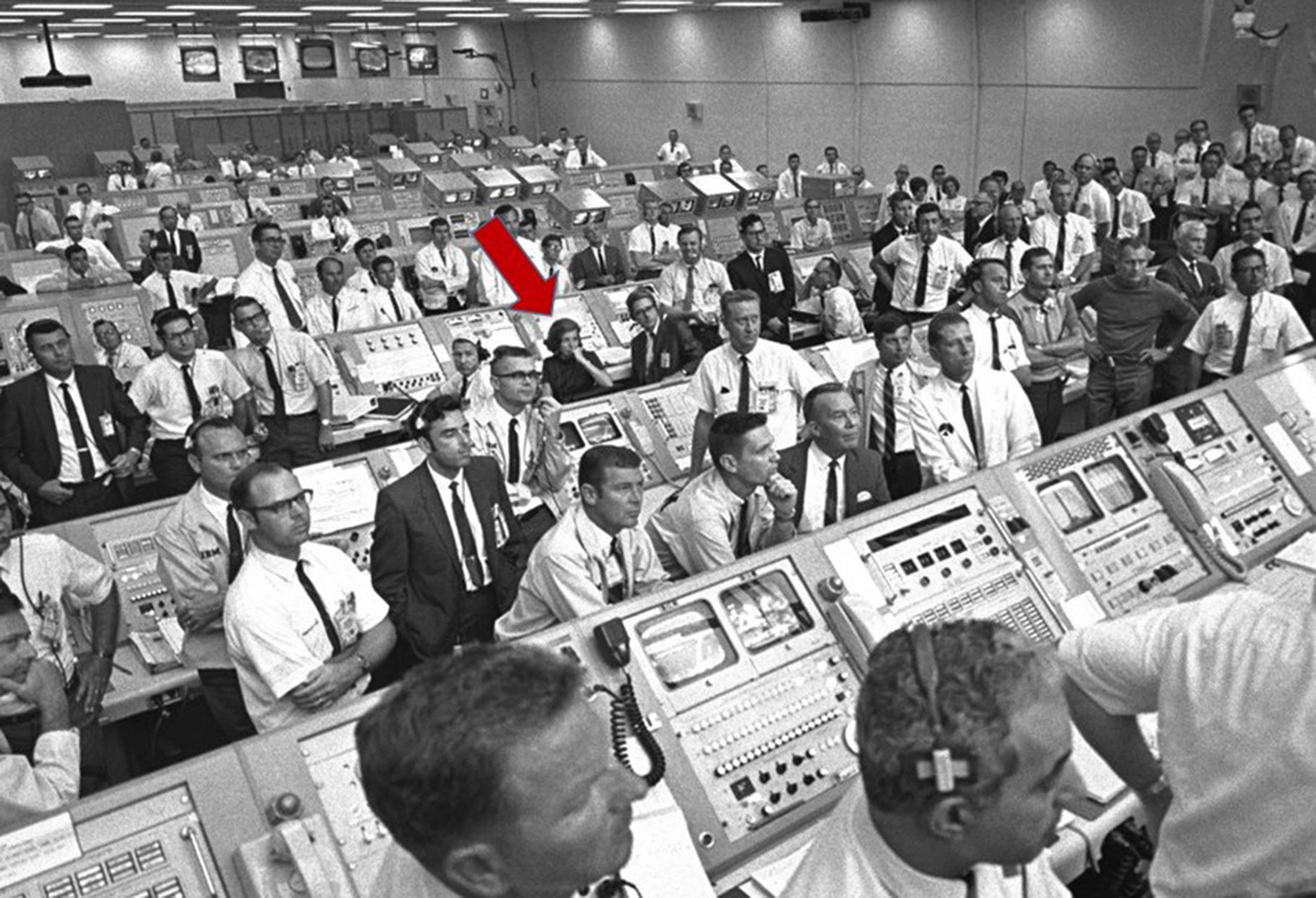
Morgan at her console during the Apollo 11 liftoff — the only woman in Firing Room 1. Photo: NASA (public domain).
Pioneer
JoAnn H. Morgan
Born December 4, 1940 · Aerospace engineer · Apollo 11 instrumentation controller · 45 years at NASA
JoAnn Morgan went to work at Cape Canaveral the day after high
school — in 1958, before NASA existed — and spent the next
forty-five years inside the American space program. On the morning
of July 16, 1969 she sat at a console in Firing Room 1 as Apollo
11's instrumentation controller: the only woman in the room where
the Moon launch was run.
When a test supervisor told her women weren't allowed on console, her
director Karl Sendler settled it in one line: "JoAnn, you get the
test done. Bring me the data." She then collected nearly every
"first woman" title Kennedy Space Center had — first female engineer,
first woman division chief, first woman senior executive, the first
woman to direct Safety and Mission Assurance — and finished as the
center's associate deputy director, retiring in August 2003. President
Clinton named her a Meritorious Executive in 1995 and 1998; Vice
President Gore presented her the Presidential Distinguished Executive
Rank Award in 1999. Her verdict on the famous firing-room photograph:
"I hope that photos like the ones I'm in don't exist
anymore."
Margaret HamiltonIn Memoriam
1936–2026 · Apollo flight software lead · coined "software engineering" — featured above.
Her full story →
JoAnn H. MorganPioneer
b. 1940 · Apollo 11 instrumentation controller · the only woman in the Firing Room, July 16, 1969 · later KSC associate deputy director — featured above.
Her full story → · wiki biography →
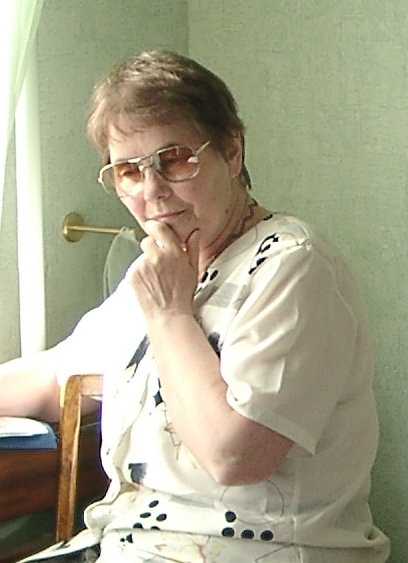
Nina LeontyevaPioneer
b. 1936 · Linguist · employee no. 1 of Soviet machine translation · built FRAP and kept the complete record — read her story →
Her full story → · wiki biography →
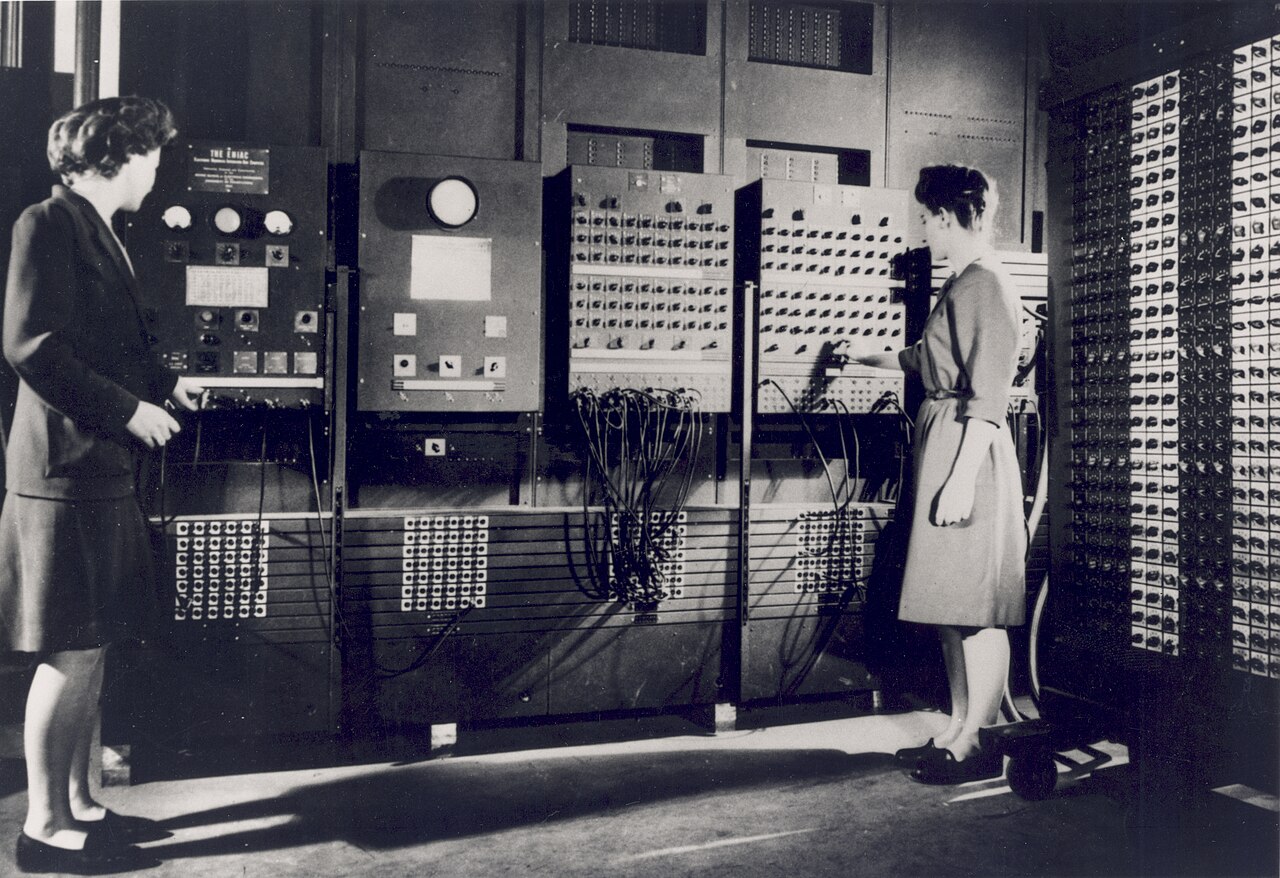
Fran BilasPioneer
1922–2012 · One of the six original ENIAC programmers — the machine's first sort routine and its program-check mechanisms, the ancestors of testing.
Her full story → · wiki biography →
Terry A. DavisIn Memoriam
1969–2018 · Author of TempleOS and HolyC — an entire operating system, written alone.
The company grows. In time this page will honor more of
computing's giants — those still with us and those we've lost. If
someone belongs among them, tell us their name.